Angiotensin II antagonists
Angiotensin II antagonists used in therapeutics are of AT1 type. They are also called angiotensin II receptor blockers, ARB.
The principal consequence of inhibition of AT1 receptors is reduction or suppression of AT1 effects of angiotensin II : vasoconstriction, vascular and cardiac hypertrophy and stimulation of aldosterone secretion.
The first inhibitors of AT1receptors, like saralasin, had a polypeptidic structure and were not adapted to therapeutic use because they were not active by oral route.
Losartan was the first AT1 antagonist of nonpolypeptidic structure, active by oral route. Losartan is an active molecule but one of its metabolites is more active. It is used as an antihypertensive drug.
The other angiotensin II receptor blockers are valsartan, irbesartan, candesartan, telmisartan and eprosartan. They have overall properties similar to those of losartan and are also administered by oral route.
Adverse effects of angiotensin II receptor blockers are mild and not frequent. Hypotension and hyperkalemia have been reported in particular circumstances. They do not- or exceptionally- cause cough and angioedema. But their use during pregnancy is contraindicated: the first trimester for a possible teratogenic risk and during second and third trimesters because of the risk of oligoamnios, fetal renal impairment, fetal death.
Advantages and preferential therapeutic uses of antagonists of angiotensin II compared to those of ACE inhibitors remain to be specified. Angiotensin II receptor blockers induce an increase of angiotensin II concentration whose consequences over the long term are not well known but perhaps beneficial because of maintenance of AT2 receptors stimulation .However, concerning reduction of total mortality, there are man more studies demonstrating beneficial effects of ACE inhibitors than of angiotensin II receptor antagonists. Current recommendations are to use ACE inhibitors as first-line drugs for the treatment of heart failure.
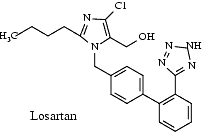
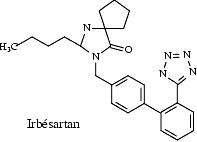
The concomitant intake of an antagonist of angiotensin II and a potassium-sparing diuretic is contraindicated.
|


